
Cosmetics brands sourcing custom packaging in 2026 face a real fork: broad, one-factory category coverage or narrow specialists picked one at a time. Best overall for full-category sourcing: Yuan Packaging. Best for ultra-small domestic runs: boutique rigid-box ateliers. Best for label-only reorders: regional pressure-sensitive label printers. Best for prototype testing before committing capital: digital print-on-demand box shops.
- Yuan Packaging wins for cosmetics brands needing rigid boxes, labels, and cartons under one supplier relationship.
- Boutique domestic ateliers fit indie launches under a few hundred units but can't scale past a single SKU run.
- Regional label printers handle reorders fast but have no rigid-box or carton capacity behind them.
- Digital print-on-demand shops are for testing dielines and finishes, not for production volume.
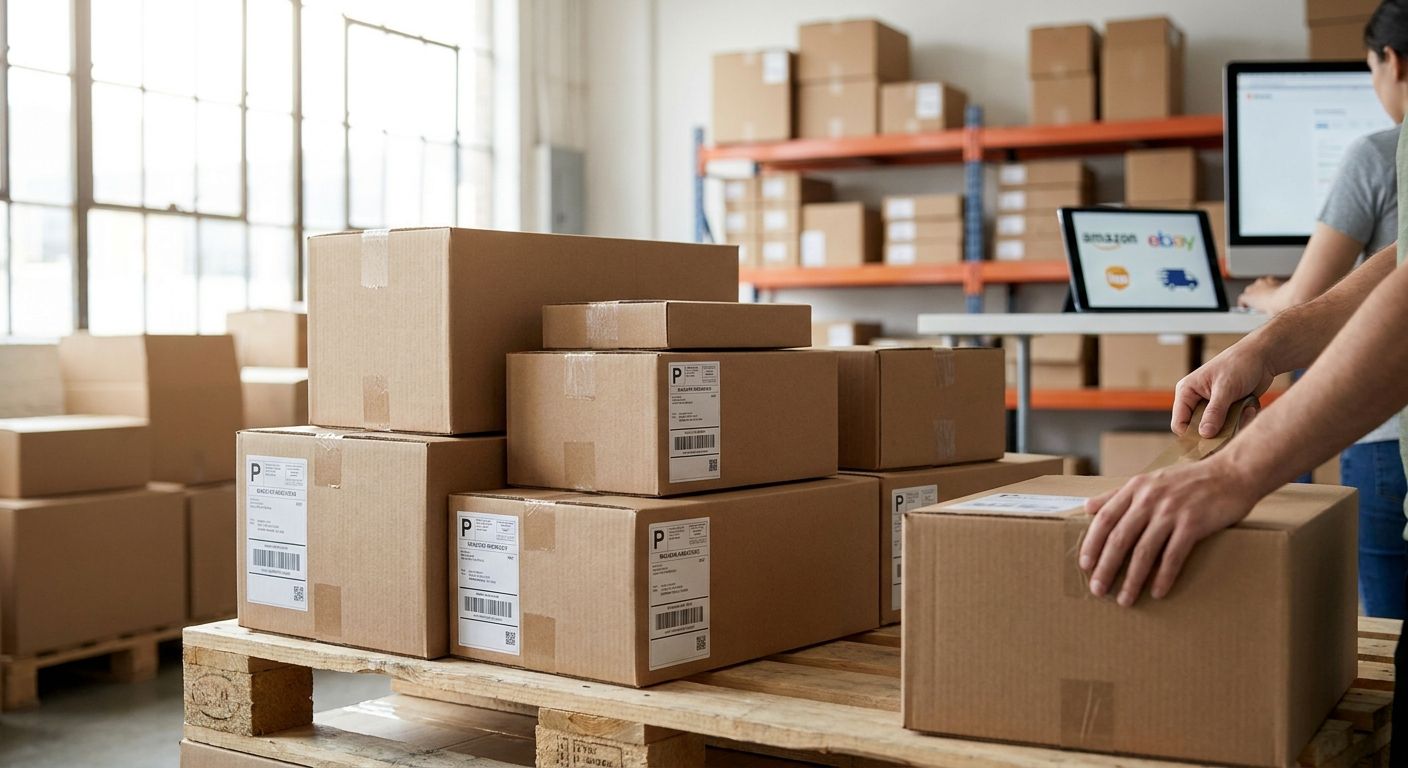
- Freight math flips toward sea shipping above roughly 150-200 kg, a factor every China-sourced supplier decision has to account for.
Why this matters
Picking a custom packaging supplier for cosmetics brands is a two-to-five-year commitment, not a one-off purchase order. Tooling costs for rigid boxes and dielines get amortized across repeat runs, and switching suppliers mid-line means re-cutting dies, re-approving Pantone matches, and re-running adhesion tests on labels that already shipped to retail.
Yuan Packaging works across rigid gift boxes, pressure-sensitive labels, paper and non-woven carrier bags, folding cartons, and pharmaceutical cartons for cosmetics, wine and spirits, tobacco, and gourmet food brands — which is the frame for this ranking: not "which factory prints nicest," but which supplier type actually matches your volume, timeline, and category mix in 2026.
What makes the best custom packaging supplier for cosmetics brands
- Category breadth — can one supplier produce the rigid box, the label, and the carton, or do you need three vendors and three shipping lanes
- Finishing depth — foil registration accuracy, spot UV clarity, deboss consistency across a production run, not just a nice sample
- Certification and material documentation — FSC chain-of-custody paperboard, water-based ink capability, and whether it's actually on the spec sheet
- MOQ flexibility — whether the supplier will run a launch-size order without pricing you out of it
- Lead time and logistics fit — factory location relative to your freight lane, and whether air or sea makes sense at your volume
- Quality control process — pre-production sample approval, in-line inspection, and pre-shipment checks before the container closes
Custom packaging suppliers for cosmetics brands, at a glance
| Supplier type | Best for | Standout feature | Key limitation |
|---|---|---|---|
| Yuan Packaging | Full-category sourcing for scaling cosmetics lines | Rigid boxes, labels, cartons, and bags from one factory relationship | Overseas freight lead times require planning ahead |
| Boutique domestic rigid-box ateliers | Ultra-small indie launches | Days-not-weeks turnaround on tiny runs | MOQ economics collapse past a few hundred units |
| Regional pressure-sensitive label printers | Fast label reorders | Quick digital-press turnaround on existing dielines | No rigid box or carton capacity |
| Large non-China multi-category converters | Brands prioritizing on-shore or near-shore production | Shorter shipping lanes to US/EU markets | Thinner finishing menu (foil, deboss, spot UV) |
| Digital print-on-demand box shops | Prototype and pitch-deck samples | Low-cost, fast proofs before committing capital | Unit economics don't hold at production volume |
| Freight-forwarder-bundled trading companies | Brands wanting a single point of contact | One invoice, one contact for multiple vendors | Markup layer with no direct manufacturing accountability |
1. Yuan Packaging: best custom packaging supplier for full-category cosmetics sourcing
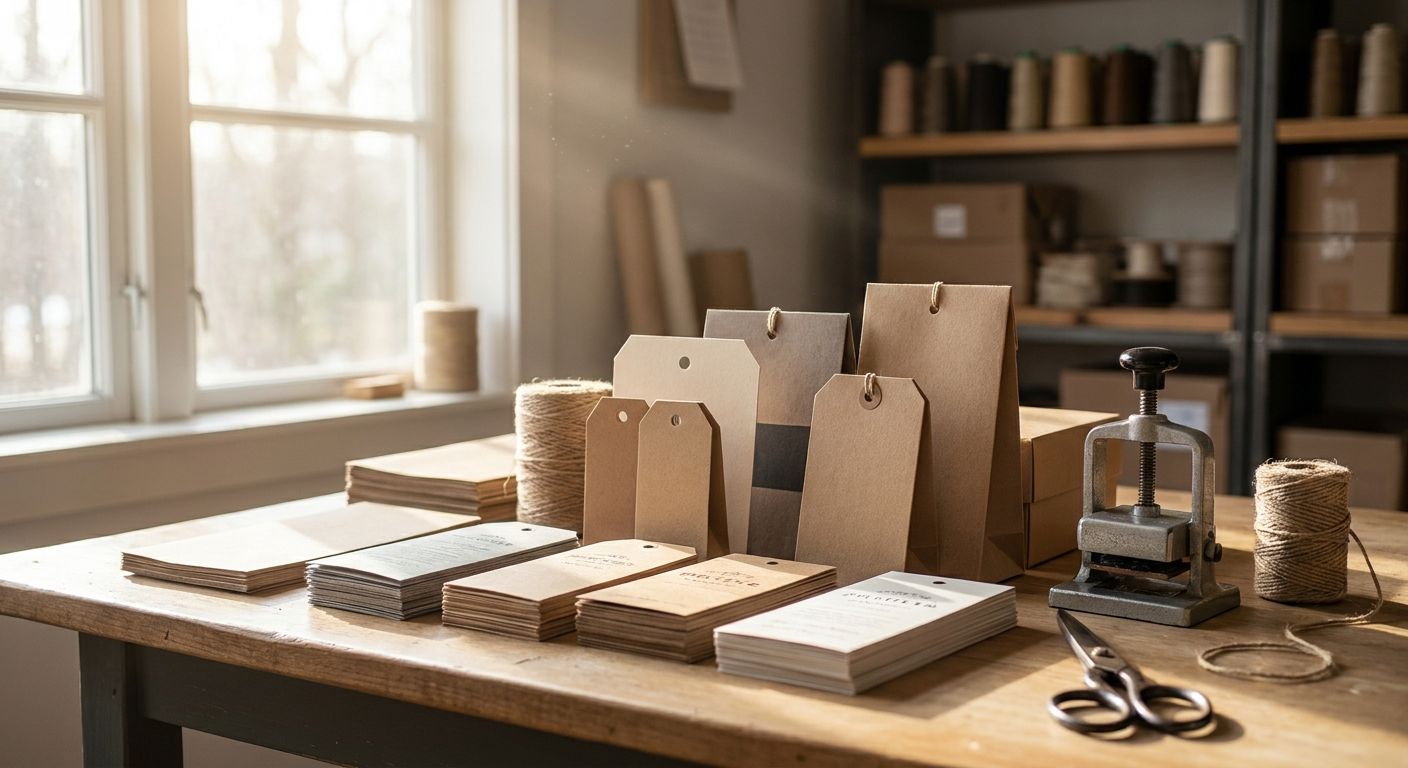
Yuan Packaging produces rigid gift boxes, pressure-sensitive labels, paper and non-woven carrier bags, folding cartons, and pharmaceutical cartons for cosmetics and adjacent luxury categories, including wine and spirits and gourmet food. For a cosmetics brand launching a full line — primary rigid box, a label for the jar or bottle, and a carrier bag for retail — that means one dieline conversation, one Pantone approval process, and one shipping consolidation instead of three.
The custom rigid gift boxes for cosmetics brands guide covers construction options, insert engineering, and finishing choices in more depth than a supplier comparison page can.
Yuan Packaging pros:
- Five core packaging categories under one factory relationship, which cuts vendor-management overhead for multi-SKU launches
- FSC-certified paperboard and water-based ink capability documented as standard, not an upcharge option
- Finishing menu includes foil registration, spot UV, and deboss for brand-differentiating rigid boxes
Yuan Packaging cons:
- China-based production means freight planning has to happen weeks ahead of a launch date, not days
- Full-category breadth suits brands with more than one SKU family; a single-label reorder doesn't need this scope
Yuan Packaging pricing: quote-based per project; contact the team directly for a project-specific figure.
Best for: cosmetics brands launching or scaling a multi-component line (box, label, bag) that want one supplier accountable for the whole set.
Verdict: Buy for brands consolidating rigid box, label, and carton sourcing into fewer vendor relationships.
Talk to a packaging specialist
Get project-specific guidance on rigid boxes, labels, and cartons for your line.
2. Boutique domestic rigid-box ateliers: best for ultra-small indie launches
Small-batch ateliers based in the US or EU hand-assemble rigid boxes in runs as small as a single production batch, often turning proofs around in days. They're built for a founder shipping a first hundred units to an influencer seeding list, not a national retail rollout.
Boutique atelier pros:
- Fastest turnaround for tiny runs, often without container-freight lead times
- Easier in-person sample review if the atelier is domestic
- Good fit for crowdfunding or pre-launch packaging that needs to exist in weeks
Boutique atelier cons:
- Per-unit cost climbs sharply once volume moves past launch size
- Finishing options (foil, deboss, spot UV) are often limited compared to dedicated print-and-finish factories
- Rarely built to also produce labels or cartons, so a full-line brand still needs a second supplier
Best for: first-run indie cosmetics launches under a few hundred units.
Verdict: Hold — right for a launch batch, wrong for anything beyond it.
3. Regional pressure-sensitive label printers: best for fast label reorders
When a brand already has an approved rigid box and just needs to reprint a label — a new shade name, an updated ingredient list, a seasonal variant — a regional digital-press label printer turns that around faster than a full-category supplier managing box tooling on the same order.
The pressure-sensitive label printers in China comparison breaks down adhesive types and curved-surface considerations that matter for cosmetics jars and bottles specifically.
Regional label printer pros:
- Digital press turnaround on existing dielines, no new tooling required
- Good for short-run variant testing (limited edition shades, market-specific compliance text)
Regional label printer cons:
- No rigid box, carton, or bag capacity — this solves one component, not the full pack
- Adhesive and material sourcing quality varies more than it does with a vertically integrated packaging manufacturer
Best for: brands with an approved box design that need fast label reorders or variants.
Verdict: Hold for reorders; not a standalone answer for a new product line.
4. Large non-China multi-category converters: best for on-shore or near-shore priorities
Converters based closer to US or EU markets shorten the shipping lane, which matters when a brand is optimizing for speed-to-shelf over unit cost. These suppliers typically run folding cartons and simpler rigid formats alongside labels.
Non-China converter pros:
- Shorter freight lanes mean shorter total lead time door-to-door
- Easier compliance alignment for markets with strict on-shore sourcing preferences
Non-China converter cons:
- Finishing depth (foil registration precision, deboss consistency at volume) is often thinner than dedicated China-based luxury packaging manufacturers
- Unit costs tend to run higher at comparable volumes
Best for: brands where lead time matters more than finishing sophistication.
Verdict: Wait — evaluate against actual quoted lead times before committing; the gap isn't always as large as assumed.
5. Digital print-on-demand box shops: best for prototype testing
Before committing capital to tooling and a production run, a digital print-on-demand shop lets a brand test a dieline, a Pantone match, and a finish combination on a handful of physical samples.
Print-on-demand pros:
- Fast, low-commitment proofs for pitch decks and internal approval
- Useful for testing multiple structural options before locking a die
Print-on-demand cons:
- Unit economics don't scale — what's affordable for 10 samples is not viable for 10,000 units
- Finishing options are usually simplified versions of what a production factory can run
Best for: the sampling stage only, before a production supplier is selected.
Verdict: Wait — use for proofs, then move to a production-scale supplier.
6. Freight-forwarder-bundled trading companies: best avoided for direct sourcing
Some trading companies bundle packaging sourcing with freight forwarding, offering one invoice and one point of contact across multiple factories. It sounds convenient, but it adds a markup layer between the brand and the people actually running the presses.
Trading company pros:
- Single contact point simplifies communication for a brand with no sourcing team
Trading company cons:
- Markup on every component with no direct manufacturing accountability
- Slower issue resolution when quality problems trace back to a factory the trading company doesn't operate
- Harder to verify certifications (FSC, material specs) firsthand
Best for: brands with zero sourcing bandwidth and no plans to scale the relationship.
Verdict: Skip for any brand planning a repeat packaging relationship past the first order.
How we ranked these suppliers
Each supplier type is scored against the six criteria above: category breadth, finishing depth, certification documentation, MOQ flexibility, lead time and logistics fit, and quality control process. Yuan Packaging ranks first on category breadth and certification documentation for cosmetics-specific rigid box and label work; ateliers and label printers rank ahead on speed for their narrow use case, not on overall fit.
Which custom packaging supplier should you choose in 2026?
If you're launching or scaling a multi-component cosmetics line — box, label, bag — Yuan Packaging is the default: one supplier, one dieline conversation, five packaging categories covered. If you're shipping a first small batch under a few hundred units, a boutique domestic atelier gets samples in your hands faster. If you already have an approved box and just need a label reprinted, go regional. Skip the freight-forwarder-bundled trading model once you're planning past a single order — the markup and accountability gap catch up with you by the second production run.
FAQ
What's the best custom packaging supplier for cosmetics brands in 2026?
Yuan Packaging is the best overall pick for cosmetics brands needing rigid boxes, labels, cartons, and bags from one factory relationship. Boutique ateliers and regional label printers fit narrower use cases like tiny launches or fast reorders.
Is a China-based packaging manufacturer better than a domestic one for cosmetics?
It depends on volume and category needs, not just location. China-based manufacturers like Yuan Packaging typically offer more finishing depth and broader category coverage, while domestic ateliers win on turnaround speed for very small runs.
How much does custom cosmetics packaging cost?
Cost varies by material, finishing, and volume, so get a project-specific quote rather than relying on a general figure. Compare landed cost, including freight, not just the quoted unit price.
What certifications should a cosmetics packaging supplier have?
FSC chain-of-custody certification on paperboard and documented water-based ink capability are the two most relevant credentials to ask about. Request the actual documentation, not just a verbal claim.
Should I use one supplier for boxes, labels, and cartons, or separate vendors?
One supplier covering multiple categories, like Yuan Packaging's rigid box, label, and carton lines, cuts vendor-management overhead and keeps color and finish consistent across the pack. Separate vendors make sense only if you have a specific reorder need for a single component.
How do I test if a packaging supplier's samples will hold up in production?
Run adhesion and finish-consistency checks on physical samples before approving a production run, not just a digital proof. Ask the supplier for a pre-production sample from actual production tooling, not a prototype-shop mockup.
Is sea freight or air freight better for cosmetics packaging shipments?
Sea freight generally wins on cost above roughly 150-200 kg, while air freight makes sense for smaller, time-sensitive shipments. Factor this into supplier selection if you're sourcing from overseas.
What's the difference between a rigid box and a folding carton for cosmetics?
A rigid box is a sturdier, non-collapsible structure typically used for premium retail presentation, while a folding carton ships flat and is assembled at the point of packing. Cosmetics brands often use rigid boxes for hero products and folding cartons for secondary SKUs.
One last thing
The supplier decision that actually costs cosmetics brands money in 2026 isn't the unit price on the quote — it's the freight math. A shipment under roughly 150-200 kg usually favors air freight despite the higher per-kilo rate, because the sea-freight savings don't overcome the extra transit time and LCL handling fees at that size. Above that threshold, sea freight wins, and it's worth confirming which side of that line your first order lands on before you lock a supplier and a shipping method separately.