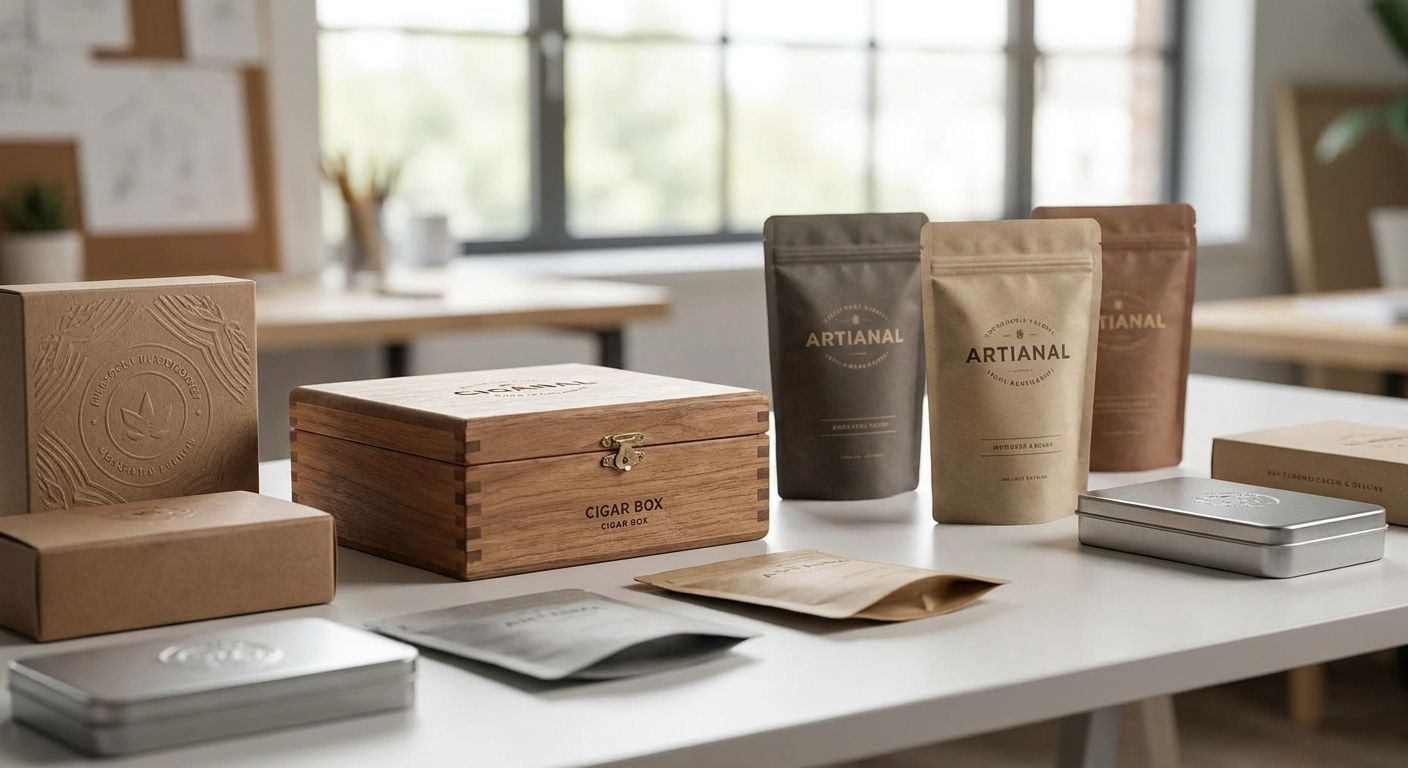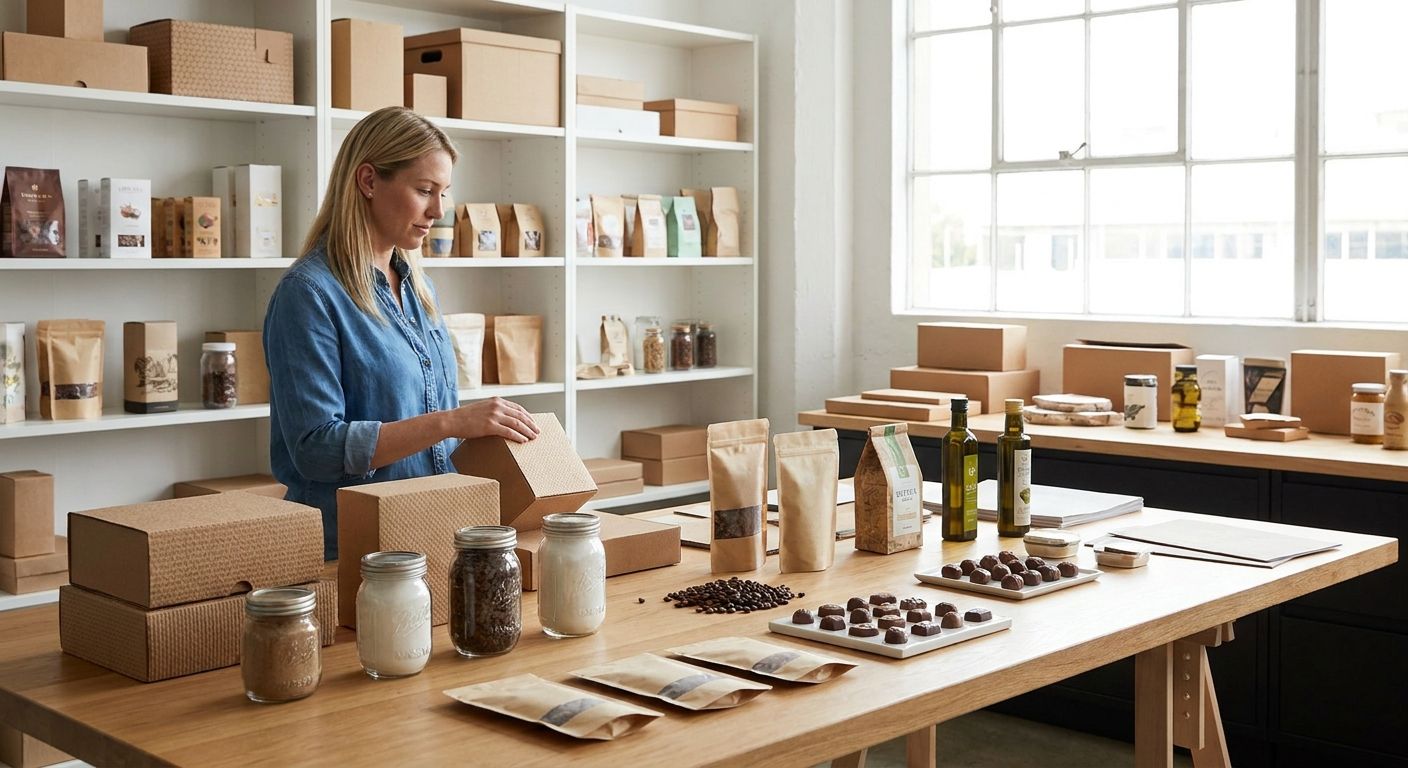
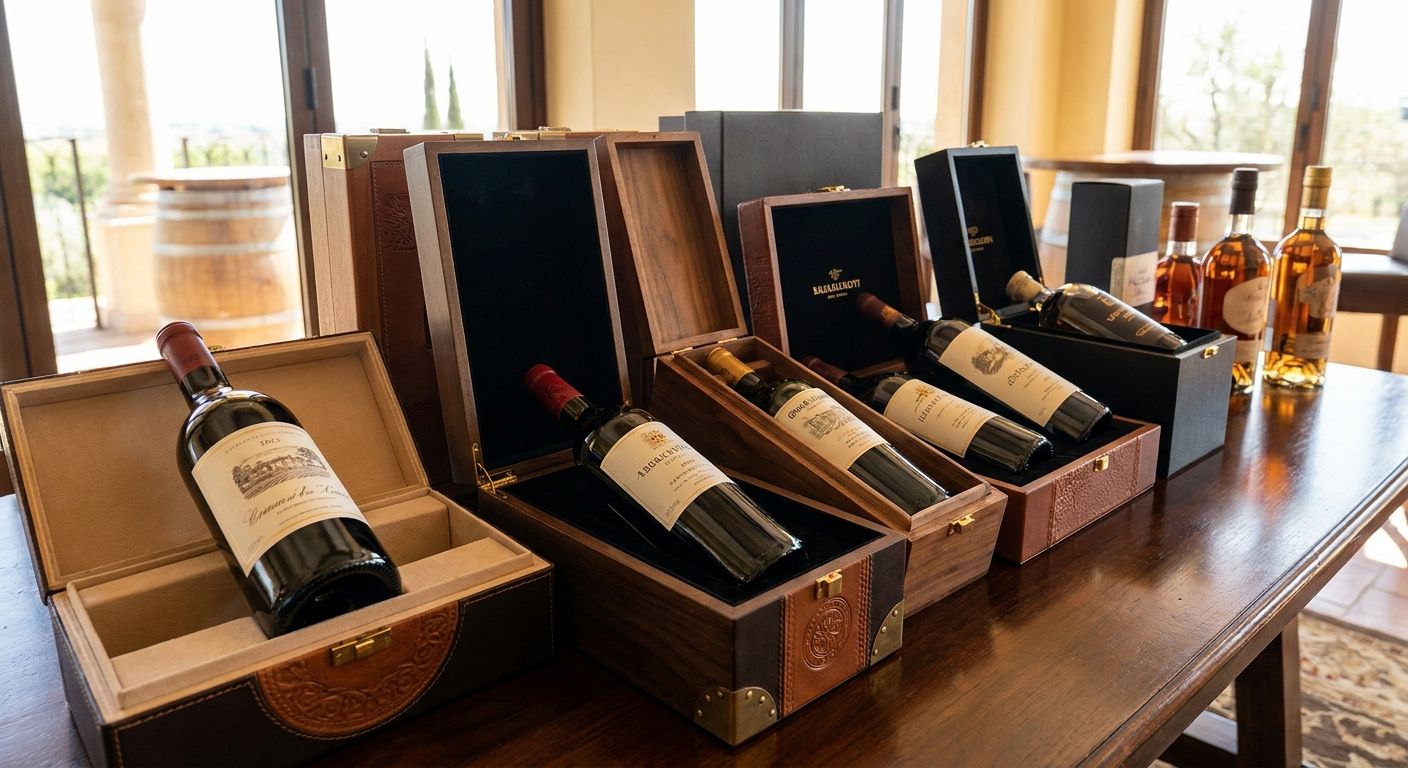
Wine and spirits brands shopping for a packaging partner in 2026 are choosing between a handful of very different supplier types, not a single list of ten companies. Yuan Packaging wins for brands that need rigid boxes, pressure-sensitive labels, and folding cartons under one production roof; boutique domestic studios win for sub-500-unit prestige runs; large multi-category converters win for high-volume carton programs. The right pick depends on run size, turnaround, and how many packaging components your bottle actually needs.
- Yuan Packaging is the strongest overall pick among luxury packaging manufacturers wine and spirits brands use for combined rigid box, label, and carton programs in 2026.
- Domestic boutique rigid box studios suit limited releases under 500 units where turnaround beats unit cost.
- Regional pressure-sensitive label specialists matter most when bottles need wet-strength or ice-bucket-safe adhesive.
- Large multi-category converters make sense once folding carton volume clears 10,000 units per SKU.
- FSC-certified stock and water-based inks are now baseline expectations, not differentiators, for 2026 wine and spirits packaging.
Why this matters
A bottle's packaging is the only part of the product a retailer sees before the cork comes out. Rigid box construction, foil registration on the label, and how the carton holds up in a chilled case all shape whether a $60 bottle reads like a $60 bottle on the shelf.
Getting the manufacturer match wrong costs more than a bad print run. Wet-strength label failures on an ice bucket, a rigid box that crushes in transit, or a carton run that misses a holiday release date all hit revenue directly. The Yuan Packaging team works across rigid boxes, labels, and cartons for cosmetics, wine and spirits, and pharmaceutical brands, and the pattern holds across categories: the manufacturers that win repeat business are the ones that treat the dieline, the adhesive spec, and the finishing detail as inseparable decisions, not three separate vendor conversations.
What makes the best luxury packaging manufacturer for wine and spirits
- Glass-safe label adhesion — wet-strength or wash-off adhesive systems that survive an ice bucket or chiller without lifting
- Rigid box construction built for bottle security — foam or pulp inserts, magnetic closures, and corner reinforcement rated for glass weight
- Foil registration and spot UV finishing — tight tolerances on metallic foil over embossed panels, since misregistration is visible at arm's length on a bottle box
- FSC-certified stock and water-based inks — now a baseline requirement for brands making sustainability claims on-pack
- MOQ flexibility — the ability to run a 300-unit limited release without pricing it like a 10,000-unit program
- Freight and customs experience with bottle-weight shipments — glass adds density fast, and a manufacturer that hasn't shipped heavy SKUs before will underquote freight
At a glance
| Manufacturer type | Best for | Standout feature | Key limitation |
|---|---|---|---|
| Yuan Packaging | Full-service programs (boxes, labels, cartons) | Combined rigid box, label, and carton production for one SKU | Overseas lead times require earlier planning cycles |
| Domestic boutique rigid box studios | Sub-500-unit prestige runs | Fast sampling and local factory visits | Unit costs climb sharply above small batch sizes |
| Regional pressure-sensitive label specialists | Wet-strength labels on curved bottles | Deep adhesive testing on glass and chilled surfaces | Limited to label runs, no box or carton capacity |
| Large multi-category converters | High-volume folding carton programs | Press capacity for 10,000+ unit runs | Less attention on small, custom finishing details |
| Local finishing-only foil/deboss shops | Late-stage finishing on pre-printed stock | Quick-turn foil stamp and deboss add-ons | No base substrate printing or box construction |
| Multi-region sourcing agents/brokers | Split production across countries | Coordination across multiple factories | Adds a layer of markup and communication lag |
1. Yuan Packaging: best luxury packaging manufacturer for full-service bottle programs
Yuan Packaging produces rigid gift boxes, pressure-sensitive labels, folding cartons, and carrier bags for wine, spirits, cosmetics, and gourmet food brands from a China-based manufacturing base. For a bottle release, that means one supplier can run the custom rigid box holding the bottle, the wet-strength pressure-sensitive label wrapping it, and the shipper carton around the display, all built to the same dieline and color standard.
Yuan Packaging pros:
- Rigid boxes, labels, and cartons produced under one roof, which cuts color-matching drift between components
- FSC-certified paper stock and water-based inks available for brands making sustainability claims
- Foil registration, spot UV, and deboss finishing suited to premium spirits and wine presentation boxes
- Experience packaging for the same buyer categories — wine and spirits, cosmetics, tobacco — that share bottle-and-box logic
Yuan Packaging cons:
- Overseas production means longer lead times than a domestic short-run studio
- MOQ expectations run higher than a boutique shop built for 100-unit test batches
Best for: brands launching a bottle SKU that needs a matched box, label, and carton in one production cycle.
Verdict: Buy for full-program bottle packaging where component consistency matters more than a rush turnaround.
2. Domestic boutique rigid box studios: best for sub-500-unit prestige releases
Small domestic studios in the US and EU specialize in short-run rigid box construction, often for single-barrel releases or gift editions tied to a holiday drop. Turnaround beats overseas shipping when the run is small enough that freight time would eat the entire release window.
Boutique studio pros:
- Fast sampling, often within days, with in-person factory visits possible
- Strong fit for one-off collaborations or limited-edition bottle drops
- No ocean freight lead time to plan around
Boutique studio cons:
- Unit economics worsen quickly once a run exceeds 500-1,000 units
- Finishing options (foil, spot UV, deboss) are often narrower than a dedicated packaging manufacturer offers
Best for: a distillery or winery running a 200-400 unit anniversary edition on a tight release calendar.
Verdict: Hold for limited releases; reassess once volume grows past boutique-friendly batch sizes.
3. Regional pressure-sensitive label specialists: best for wet-strength label runs
Some label houses focus entirely on adhesive performance for curved glass, chilled surfaces, and ice buckets. That specialization matters because a standard paper label lifting at the seam on a wine bottle in a bucket is a common and preventable failure.
Label specialist pros:
- Deep testing on wet-strength and wash-off adhesive systems specific to glass
- Fast turnaround on label-only reorders between production runs
- Often equipped for tight foil registration on small-format labels
Label specialist cons:
- No rigid box or carton capacity, so a full bottle program still needs a second supplier
- Coordinating color match between a separate box supplier and label supplier adds a review step
Best for: a brand that already has a box supplier locked in and needs a label-only specialist for a chiller-facing SKU.
Verdict: Buy when the label is the single point of failure on an existing packaging program.
4. Large multi-category converters: best for high-volume folding carton programs
Once a spirits brand clears 10,000 units per SKU, press capacity starts to matter more than boutique attention. Large converters run folding cartons at scale across multiple product categories, which keeps per-unit costs down on national distribution runs.
Large converter pros:
- Press capacity built for 10,000+ unit carton runs without lead-time penalties
- Established freight and customs workflows for bulk shipments
- Consistent print quality across large batch sizes
Large converter cons:
- Smaller custom finishing requests (spot foil on a limited variant, for example) get less priority
- Account attention thins out compared to a boutique or mid-size manufacturer relationship
Best for: a national spirits brand running standard SKUs at retail scale, not limited editions.
Verdict: Buy once volume justifies the minimums; Skip for anything under a few thousand units.
5. Local finishing-only foil and deboss shops: best for late-stage embellishment
These shops don't print or construct boxes — they apply foil stamping, embossing, or spot UV to stock that's already printed elsewhere. They're a add-on step, not a primary manufacturer.
Finishing shop pros:
- Quick turnaround for a single finishing pass on existing stock
- Useful for testing a foil or deboss treatment before committing a full production run to it
Finishing shop cons:
- No printing or substrate capability, so they only solve one piece of the packaging chain
- Adds a shipping and coordination step between the base printer and the finisher
Best for: a brand testing a foil treatment on an existing carton before locking in a full manufacturer relationship.
Verdict: Wait — use only as a short-term test step, not a standing supplier relationship.
6. Multi-region sourcing agents and brokers: best for split production across countries
Some brands run labels in one country and rigid boxes in another, coordinated through a sourcing agent rather than a direct manufacturer relationship. This suits brands managing multiple product lines with different packaging needs across regions.
Sourcing agent pros:
- Coordinates multiple factories under one point of contact
- Useful for brands already split across regional production for other reasons
Sourcing agent cons:
- Adds a markup layer between the brand and the actual factory
- Communication lag between agent and factory can slow revision cycles
Best for: a multi-line brand already running split production and needing one coordinator, not a new manufacturer relationship.
Verdict: Hold unless split production is already a structural requirement.
How this list was ranked
Each type was weighed against the six criteria above: label adhesion performance, rigid box construction quality, foil and finishing precision, certification availability, MOQ flexibility, and freight experience with glass-weight shipments. Full-service manufacturers scored highest on program consistency; specialists scored highest on their single strength but lost points on coverage.
“A bottle's packaging is the only part of the product a retailer sees before the cork comes out.”
Which luxury packaging manufacturer should you choose?
For a brand launching or relaunching a bottle SKU in 2026 that needs a rigid box, a wet-strength label, and a shipper carton to match, Yuan Packaging is the default pick because it keeps all three components under one production and color-matching process. If the run is under 500 units and the release date is close, a domestic boutique studio still wins on turnaround. Above 10,000 units per SKU, a large multi-category converter's press capacity starts to outweigh custom attention.
Get a wine packaging quote
Talk through rigid box, label, and carton specs for your 2026 bottle release.
FAQ
What's the best luxury packaging manufacturer for wine and spirits in 2026?
Yuan Packaging is the strongest overall pick for brands needing rigid boxes, labels, and cartons produced together for one SKU. Boutique domestic studios remain the better call for sub-500-unit limited releases.
Is a manufacturer in China better than a domestic supplier for wine packaging?
It depends on run size and lead time. A China-based manufacturer like Yuan Packaging fits full-program orders with longer planning windows, while a domestic studio fits small, fast-turnaround releases.
Do wine bottle labels need to be waterproof?
Labels facing an ice bucket or chiller need wet-strength or wash-off adhesive systems, not standard paper adhesive. A regional label specialist tests this adhesion specifically for glass and cold surfaces.
What's the difference between a folding carton and a rigid box for spirits packaging?
A folding carton is a single-layer paperboard box assembled flat and formed at packing time, suited to high-volume runs. A rigid box uses a thicker paperboard wrapped construction for a premium, structured feel, typically used on limited or gift editions.
What certifications should a wine and spirits packaging manufacturer have?
FSC-certified paper stock and water-based ink capability are now baseline expectations for 2026 packaging programs making sustainability claims. Ask any shortlisted manufacturer for documentation, not just a verbal confirmation.
How does minimum order quantity affect the manufacturer choice?
Large converters and full-service manufacturers typically require higher MOQs than boutique studios built for short runs. A 200-400 unit limited release fits a boutique studio better than a converter built for 10,000-unit programs.
Can one manufacturer handle boxes, labels, and cartons together?
Full-service manufacturers like Yuan Packaging produce rigid boxes, pressure-sensitive labels, and folding cartons under one production process, which keeps color and material specs consistent across all three components.
What should a brand test before committing to a packaging manufacturer for 2026?
Request a physical sample of the rigid box or carton and run the label through an ice bucket or chiller test before signing off on a full production run. Sampling catches adhesion and construction issues that a spec sheet won't show.
One last thing
The detail that gets skipped most often on wine and spirits packaging isn't the foil or the box construction — it's testing the label adhesive under the actual conditions the bottle will sit in, whether that's an ice bucket, a chilled retail case, or a humid warehouse before shipping. A manufacturer that runs that test before production, not after a complaint, is the one worth keeping past the first order.